

Why IP67 and AIS-156 Are NOT Enough: The Silent Reliability Crisis Inside Indian EV Battery Packs
By Romesh Gupta, MD & Founder, Yanti Innovative Electromotive
India’s electric vehicle (EV) ecosystem has rightly prioritized safety-first adoption. Standards such as IP67 and AIS-156/CMVR have been instrumental in enabling market entry, consumer confidence, and regulatory alignment.
However, these standards were never designed to model India’s full lifecycle stress reality.
And that gap between certification and real-world operation is quietly becoming one of the most consequential reliability risks in the Indian EV landscape.
The uncomfortable truth is this: The monsoon is winning the long game against battery pack longevity.
Certification vs. Reality: Where the Gap Begins
Static lab-based immersion tests (IPX7) and short-duration validation cycles do an excellent job of validating initial enclosure integrity.
What they cannot replicate is the cumulative, synergistic stress imposed by Indian conditions over 18–36 months:
- Continuous multi-axis vibration
- High ambient humidity
- Repeated thermal cycling
- Intermittent deep-water splashes
- Capillary moisture exposure over time
This mismatch between certification assumptions and field reality is giving rise to failure modes that are subtle, delayed, and often misclassified creating a silent reliability crisis.
The Ground Truth: A Distinct Corrosion Signature
At Yanti, we analyze post-2023, fully certified battery packs, many originating from regions with normal seasonal rainfall, not catastrophic flooding.
The internal evidence is consistent and scientifically unambiguous.
The Electrochemical Fingerprint of Long-Term Ingress
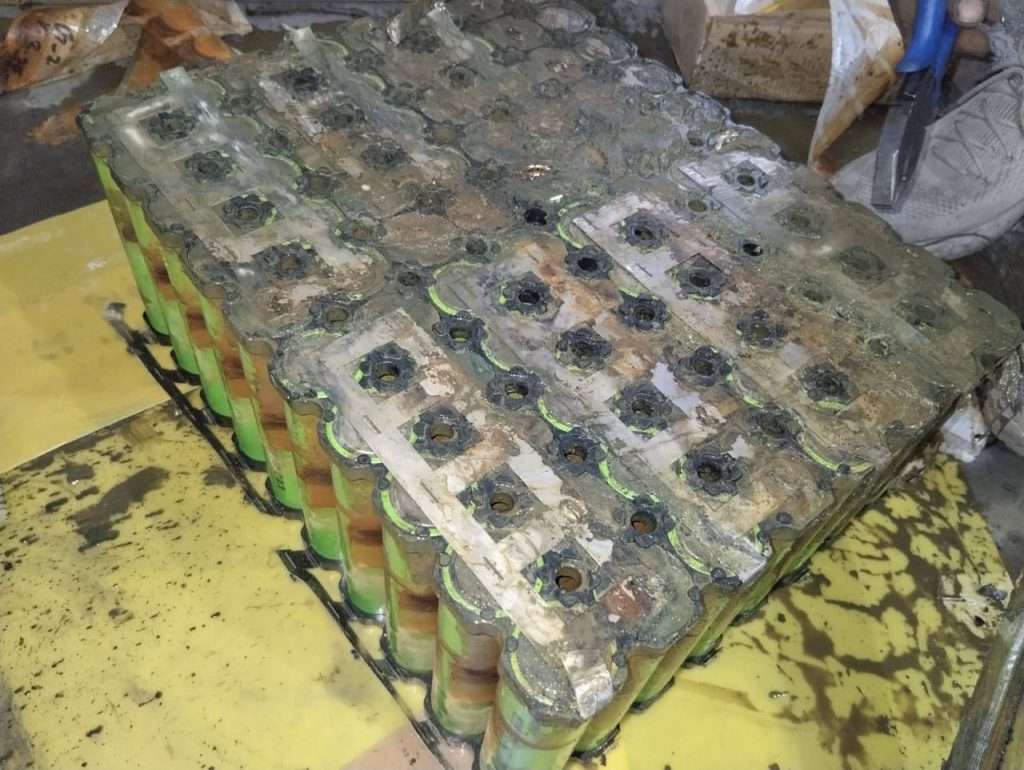
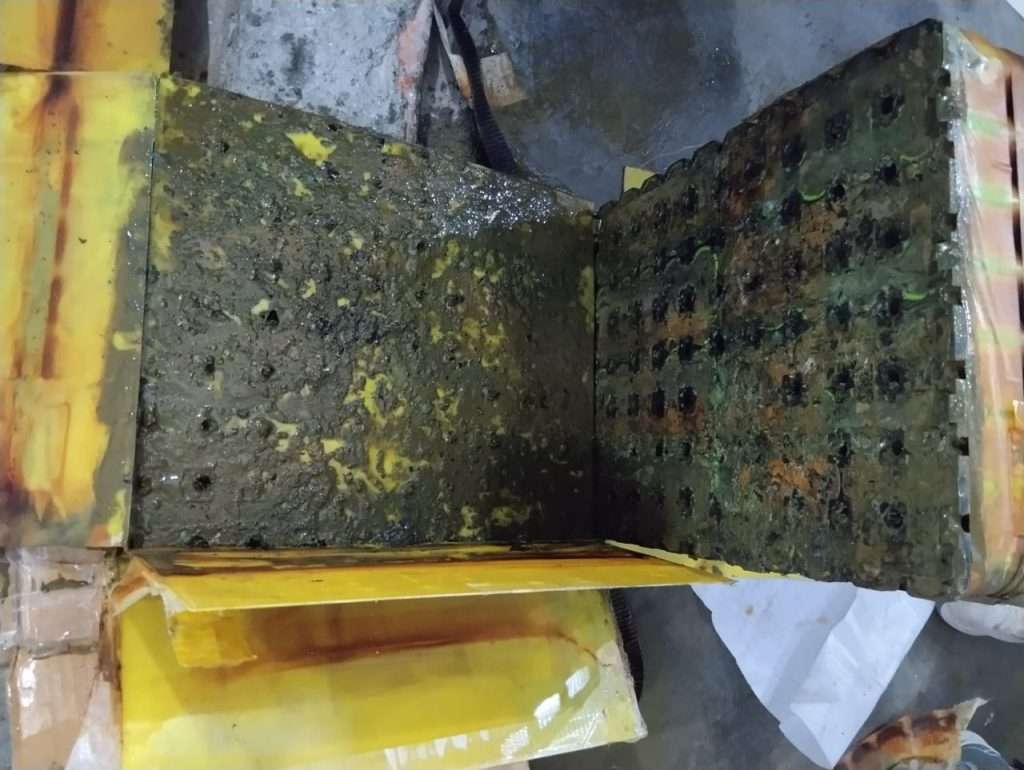
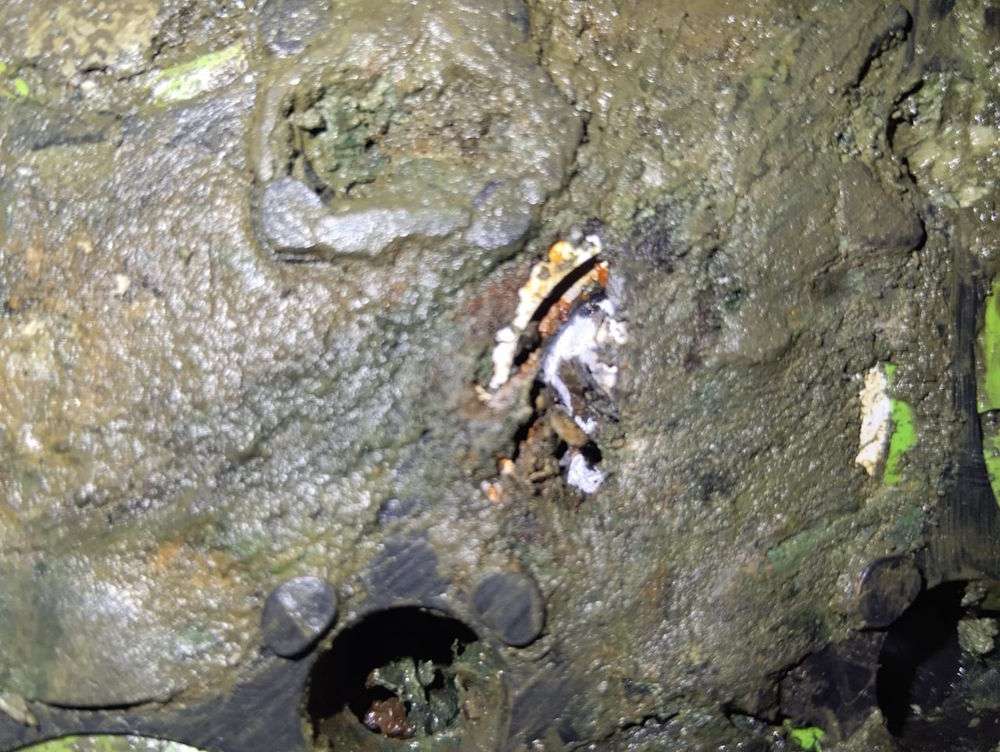
Green-black corrosion deposits
A clear indicator of copper oxidation
(Cu → Cu²⁺) on busbars and cell tabs, driven by moisture, oxygen, and ionic contaminants resulting in sharply increased localized resistance.
Compromised cell strings
Conductive moisture bridges cause partial shorting, capacity fade, elevated self-discharge, SOC divergence, and eventual protection-triggered shutdowns.
Residual moisture markers
Dried sediment and crystalline residue around connectors, seams, and sense-wire exits evidence of historical ingress rather than sudden flooding.
Crucially, these failures often surface months after the initial ingress event, placing them outside OEM warranty windows and forcing premature, expensive battery replacements even when the underlying electrochemical system remains largely recoverable.
The Three Silent Killers Slipping Through Compliance
Most real-world failures are not caused by a single catastrophic event. They emerge from three interacting stressors that current compliance frameworks systematically underestimate.
1. Mechanical Fatigue: Compression Set Degradation
India’s road environment subjects battery enclosures to continuous low-frequency vibration and random shock loading.
Over time:
- Elastomeric and polymeric gaskets lose their compression set
- Micro-movement develops at sealing interfaces
- Progressive gaps form in the ~10–50 μm range
- These gaps are invisible to visual inspection—and fatal in the long run.
They become the gateway.
2. Gradual Water Ingress: The Capillary Creep Threat
The IP67 (IP Ratings) test simulates a sudden dunk.
The field reality is far more insidious.
- Water slowly wicks into fatigue-induced micro-gaps via capillary action.
- Repeated splashes generate hydrostatic pressure pulses
- High ambient humidity and thermal cycling induce internal condensation, even without an obvious external breach
This leads to sustained electrochemical corrosion quiet, progressive, and devastating.
3. Heat: The Degradation Multiplier
Indian ambient temperatures accelerate failure on two fronts:
- Cell chemistry degradation under elevated thermal stress
- Sealant aging and stiffening, making enclosures more vulnerable to vibration-induced leakage
Heat does not merely add stress, it amplifies every other failure mechanism.
The True Consequence: Asset Stranding
These failures extend far beyond technical inconvenience.
- They create systemic financial risk across the EV value chain.
- OEM warranty exposure
- Late-stage failures trigger goodwill replacements, eroding margins and brand trust.
- Fleet downtime and depreciation
A non-operational EV is immediate revenue loss and accelerated asset decay.
NBFC risk and residual value erosion
When battery packs become non-revivable, financed EVs turn into non-performing inventory directly impacting lending models built on battery residual value.
- Heat hurts.
- Defects drain.
- Water decimates.
The industry must now move from compliance to true reliability. The solution does not lie in endlessly tightening standards alone. It lies in accepting field reality and engineering around it. The EV ecosystem must evolve toward a diagnostics-first, revival-first reliability framework:
1. Design for Modularity and Serviceability
- Ingress protection at module and sub-assembly levels
- Architectures that enable targeted intervention instead of blanket replacement
2. Adopt Advanced, Field-Relevant Diagnostics
- Electrochemical Impedance Spectroscopy (EIS) to detect corrosion-induced resistance growth long before catastrophic failure
- Thermal imaging, load-based testing, and behavioural analytics to distinguish true cell degradation from protection artifacts
3. Invest in Scientific Revival Protocols
- Selective cell replacement
- Precision balancing
- Busbar restoration and contamination mitigation
In structured revival programs, a significant majority of failed packs when intervened in time often exceeding 70% can be safely restored to traction duty, stabilizing fleet uptime and protecting capital.
Closing Thought
A compliance gap should never be allowed to trigger a financial and sustainability crisis. India’s EV future will not be secured by certification alone. it will be secured by engineering honesty, diagnostics depth, and lifecycle accountability. Reality must now drive the design table.
About the Author
Romesh Gupta is the MD and Founder of Yanti Innovative Electromotive, a pioneer in scientific EV battery revival and reliability engineering in India. Yanti’s platform delivers advanced diagnostics, modular repair, and second-life solutions designed to stabilize OEM warranty exposure, protect fleet assets, and secure residual value for NBFC-financed EVs.
See also: Enclosure Design, Condensation, Sealing, Leak Detection
Get the next teardown in your inbox
New teardowns, benchmarks and design data from BatteryDesign.net, free by email. Unsubscribe any time.